Buzzi Unicem
Objective
The project started in 1981, with the reclamation of the “Ceretto” lake banks, and the creation of a “biodiversity nursery” from which to obtain successively autochthonous species and to reclaim all the area of the gravel pit.
Context
An artificial oxbow was dug (200 m long and 10 m wide), in which many aquatic autochthonous plants have been progressively introduced, such as yellow iris, ditch reeds, “tife” reeds, nimpheas etc. Considering the difficult initial conditions (from geo – pedological point of view), it was a challenge.
Solution
We can now say, after several years of experimentation, that the project perfectly realizes its ambitious purpose to produce autochthonous species in order to create a highly diversified nature area in the quarry. So far the quarry is today yearly visited by several hundreds of young students from the local schools.
Result
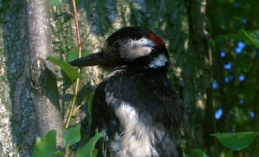
Now the habitat created is very well appreciated also by the kingfishers, herons, and many others bird species such as amphibians and fish. It is worth mentioning that a reed row has created the favorable condition for the settlement of rare birds such as “cannareccione” and grebe and the sandy lake bank in which nest bee eaters and sand martins (very rare in this area) . The great lake resulting from the excavation of the gravel pits host, and feeds, hundreds of aquatic birds, both migratory and nesting, that are commonly observed and monitored by a voluntary group of bird watchers and experts of “Parco del PO” and the Natural Science Museum of Carmagnola for whom special structures for systematic observation have been created.