CEMEX UK
Objective
Creation of a protected site for wildlife.
Context
Attenborough Nature Reserve is situated 7 kms south west of Nottingham and comprises of over 365 hectares of flooded gravel pits. It was the first reserve established by the Wildlife Trust and is home to a wide range of aquatic and waterside habitats.
Solution
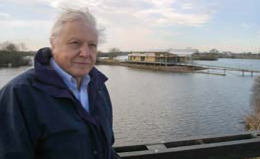
The nature reserve was created in 1966 when part of Attenborough’s original gravel working was set aside to provide a protected site for wildlife. Sir David Attenborough officially opened the site 40 years ago. This year, he returned to the site to open a new visitor centre. Excavations started on the floodplain of the River Trent at Attenborough in 1929. The process of mineral extraction has led to the creation of lakes and islands which provide shelter and food. More importantly the area is free from disturbance, creating ideal conditions for the many species of wildlife that thrive there. As the vegetation has matured, so has the type and variety of habitats.
Result
Since recordings began in 1944, over 250 species have been sighted including birds such as herons, osprey, the elusive kingfisher and the even rarer bittern. Many species are migrants passing through on their way to spend the winter in warm climates. Others return every spring to breed.
Partners
Wildlife Trust